Financial Forecasting: Why Most People Feel Financially Stressed
The Keacast Philosophy Series – Episode 1 Target Search Phrase: Why am I financially stressed? Related Search Topics: financial forecasting, cash flow planning, personal cash flow, future expenses, financial confidence, paycheck planning Why Financial Stress Isn't Always About Money If you searched Google for "Why am I financially stressed?", you would probably expect answers like: You don't earn enough money. You spend too much. You need a better budget. You have too much debt. Those factors...
The Keacast Philosophy Series – Episode 1
Target Search Phrase: Why am I financially stressed?
Related Search Topics: financial forecasting, cash flow planning, personal cash flow, future expenses, financial confidence, paycheck planning
Why Financial Stress Isn't Always About Money
If you searched Google for "Why am I financially stressed?", you would probably expect answers like:
- You don't earn enough money.
- You spend too much.
- You need a better budget.
- You have too much debt.
Those factors certainly contribute to financial stress.
But I don't believe they're usually the root cause.
I believe most people experience financial stress because they lack something even more fundamental.
They can't clearly see what their money is going to do next.
That uncertainty quietly follows them throughout the day.
Can I afford this purchase?
Will my paycheck cover next week's bills?
What future expenses am I forgetting?
Those questions aren't really about today's bank balance.
They're questions about tomorrow.
And that's where financial forecasting becomes so powerful.
The Hidden Cost of Uncertainty
Financial stress doesn't begin when your checking account reaches zero.
It begins much earlier.
It begins the moment you stop feeling confident about the future.
You may have enough money today.
But what about next Tuesday?
What about when your insurance premium drafts?
What about the week after your mortgage payment clears?
These unanswered questions create a constant mental burden.
Many people describe this feeling as "living paycheck to paycheck."
In reality, many are living decision to decision, because they don't have enough visibility into their future cash flow.
Your Bank Balance Was Never Meant to Answer Tomorrow's Questions
Think about how often you check your bank account.
Almost every time, you're looking at one number.
Your current balance.
That number answers one question remarkably well:
How much money do I have right now?
Unfortunately, that's rarely the question you're actually trying to answer.
What you're really wondering is:
- Will I have enough money after my bills are paid?
- Can I afford this purchase today?
- What future expenses are already waiting for this money?
- Will my next paycheck arrive before my next major bill?
Those are cash flow planning questions.
A bank balance alone can't answer them.
We've Been Looking Back Instead of Looking Ahead
Traditional personal finance tools do an excellent job of helping us understand the past.
They show us:
- Where our money went.
- How much we spent.
- Which categories exceeded our budget.
Those insights are valuable.
But after understanding yesterday, another question naturally appears.
What happens next?
That's where personal financial forecasting begins.
Instead of only reviewing history, financial forecasting helps you understand how today's decisions affect tomorrow's financial picture.
Financial Confidence Comes from Visibility
Imagine driving at night with headlights that only illuminate the pavement directly beneath your vehicle.
Technically, you could still drive.
But every curve would surprise you.
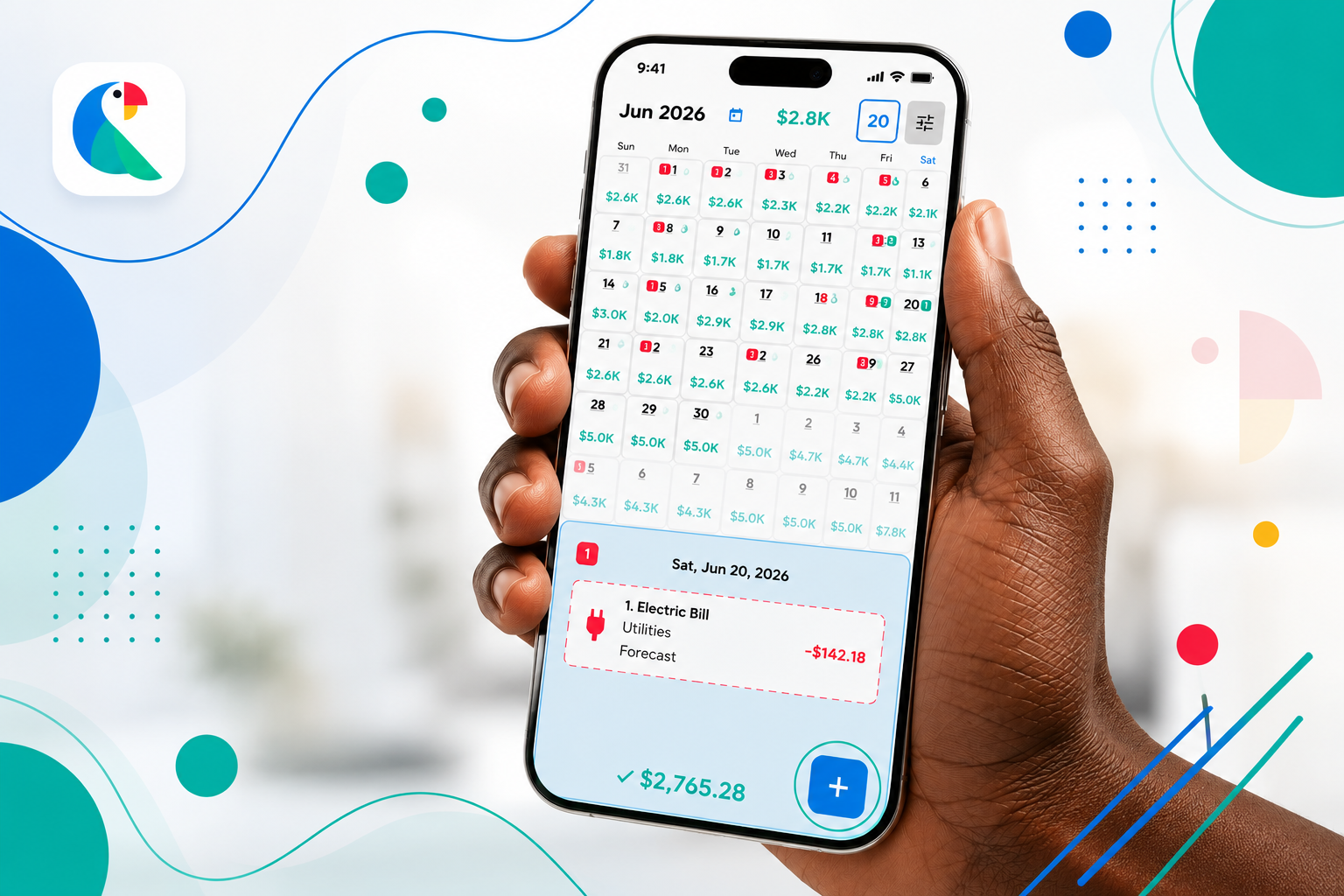
Every obstacle would appear at the last possible moment.
Now imagine headlights that let you see far down the road.
The road hasn't changed.
Your confidence has.
Financial forecasting works the same way.
It doesn't eliminate life's surprises.
It helps you see farther ahead so you can make better decisions today.
That's how confidence begins.
Not through perfect predictions.
Through better visibility.
A Different Way to Think About Money
At Keacast, we believe people deserve more than a record of where their money has been.
They deserve confidence about where it's going.
That's why we've built our philosophy around financial forecasting, cash flow planning, and helping people understand their future cash flow instead of simply reviewing past transactions.
Because when uncertainty begins to disappear, something remarkable happens.
Financial confidence begins to grow.
Continue Your Financial Forecasting Journey
This article is the first chapter in the Keacast Philosophy Series, where we explore a different way of thinking about personal finance.
Next, we'll examine one of the biggest misconceptions people have about money:
Is money really something we own... or is it something that constantly flows through our lives?
Continue to Episode 2: Money Is a Flow, Not a Pile and discover why changing this one mental model can transform the way you approach cash flow planning and financial forecasting.